Știma Apelor
The curious Wandersage of the Voice from the Water

This is part of a yearlong series on the second edition of Colière, the Euclidian Non-Isochronous Rhythms card deck. Each card is a pretext to gloss over one item of Romanian mythology, anthropomorphize it, all aimed at easier visualizing and audiating one particular rhythm.
Today it’s about “Știma Apelor”.
A Wandersage would be a wandering tale, a migratory story. People classified stories and labelled the bins and gave each one of them a number. This one is ML4050. All aboard the train! I entered it through Tudor Pamfile’s - Dușmani și prieteni ai omului (1916) (translates as Enemies and friends of the Man). This is part of a Romanian Mythology series that tries to list some folk spirits found by ethnographers in this geographic area. Some of them are not unique to these parts, as we will see here. Browsing through it looking for water related entries I found about Știma Apelor. There are several Știme, female characters that usually guard something like the treasures, the forest, the water. The name comes from ancient Greek σχήμα (schíma) meaning shape, form. As in schema.
We are focusing on the wet one. The “scheme of waters”. She is said to be dwelling in rivers and lakes, a tall, strong white woman (as in pale, because we had only white women around these parts). Her breasts — her tits (as Pamfile notes) are so big that sometimes she is having them thrown back over her shoulders. Long blond hair touching the ground. Some say she is half fish, others say she is half man, or whatever she wants to be.
So she basically does floods. Periodically she makes rivers overflow drowning people until she got the number of heads needed. Kids know to beware sitting on river banks. Particular rivers have particular quotas. Olt, our longest river, demands one head a day. If he doesn’t get it, it’s throws tantrums. So here comes our Știma Apelor, this nice girl, out of the water around noon and calls for a man.
'Ceasul a sosit, Omul n-a venit.' — "The hour has come, the man has not arrived"
Three times she is calling, as is the custom. People remember hearing her and suddenly one young man dashes right towards the water like possessed. The horse is reluctant to get in the water, they try to stop him but he is totally taken, pleads to let him at least dip his toe, gets to the water and the moment his feet touch water he is done. Dead. The same it goes with several rivers. Prut, Bistrița, Moldova too. “The hour has come, the man has not arrived”. And then Pamfile mentions that we got similar accounts from Bulgaria, Greece, Czechia. That’s normal. But then he is mentioning as a curiosity that we got the same one in England. And that’s quite far away. In a footnote he says he found about it from Revue des traditions Populaires, XVI, p.313. That’s online, digitized by the nice French people at the The Gallica BnF archive.
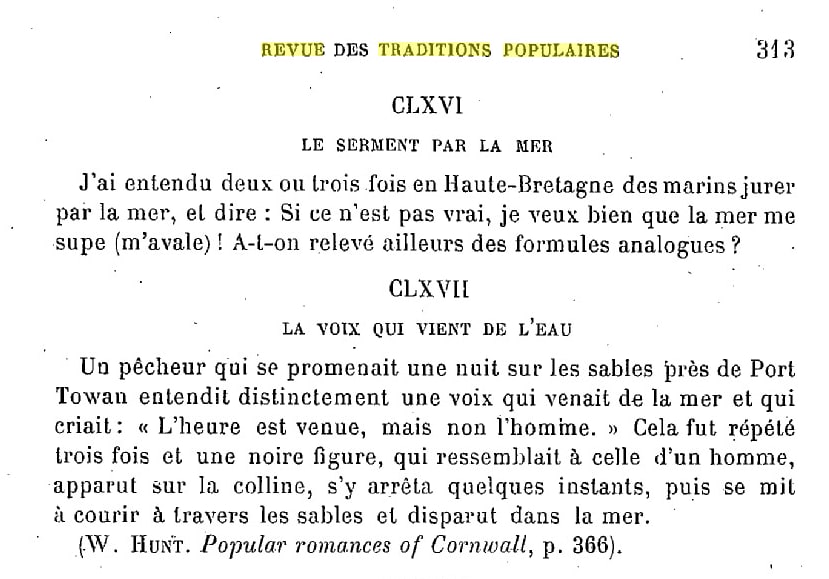
That’s from 1901. To put things in perspective, for our Tudor Pamfile in 1916 it was like we would cite now something from 2011. Pretty fresh. So in turn Sébillot in the French “magazine” cites further “W. Hunt’s Popular romances of Cornwall, p.366”. Elementary, Watson. To the time machine!
A fisherman or a pilot was walking one night on the sands at Porth-Towan, when all was still save the monotonous fall of the light waves upon the sand. He distinctly heard a voice from the sea exclaiming, "The hour is come, but not the man." This was repeated three times, when a black figure, like that of a man appeared on the top of the hill. It paused for a moment, then rushed impetuously down the steep incline, over the sands and was lost in the sea.
As it turns out it is likely not W. Hunt, but Robert Hunt, writing down Cornish oral traditions between 1807-1887. But it’s the same story. There is a Welsh version found by John Rhys (Daeth yr awr ond ni ddaeth y dyn!, recorded in Celtic Folklore, also in 1901. And Norway’s own Christensen when classifying stories mentions it as Migratory Legend 4050. Word for word she says the same thing and consequently gets the man she asked for.
The differences are tiny. The same story travels from Cornwall to Romania1 (and to Norway, and Germany, as the Cornish source notes) with its core verbal formula perfectly intact across languages and cultures. The Cornish one is more mysterious, it’s a voice, darkness, sea. It’s barebones. The water wants and it terrifyingly gets. Boom! Or Splash! rather.
In Romania it has more flesh on those bones. It’s an entire backstory, a cosmological system even, with strong ties to the actual physical territory. It is to be noted that while in Cornwall or Norway versions it’s just a few men a year maybe, the toll is considerably bigger here, going up to one a day. Hard times indeed. And we have it like a subscription model. She just gets what she asks, no grudges. Check please! It’s 365 heads, sir. Shall we add any tip? 10% is recommended. Thank you! In other European versions the river spirits are insatiable and opportunistic. They get what they manage to, when they do. We in turn have this quota.
Another thing is that most water spirits kill by pulling under and drowning, as with our own Sorbul. But Știma Apelor is charming. She draws men towards her through desire. They die for her. She is not killing them per se.

Other girl known to lure men around the world is Peg Powler, but she is quite ugly and unappealing, and her quota is therefore just one per year, or even as low as one in seven years, depending on the river she serves in. Some will say the quota is telling of comparative life expectancy and general conditions in England vs Romania before 19th century, but I put it on the fact that our girl is way more attractive obviously. Men come willing. We should really stop boasting about this, as a nation, but that’s a different story.
The most similar story comes from Egypt of all places. They also seem to have a beautiful goddess of the mighty Nile. El-Naddāha النداهة "the caller". She calls, two men strolling by the Nile hear her, she is wearing a loose transparent dress, you can imagine one is charmed, the other stops him claiming bros B4 hoes. He doesn’t go right in, but he gets depressed/ lovesick and eventually after a few days of torment he just goes to her. His buddy that tried to stop him is doomed to be next.
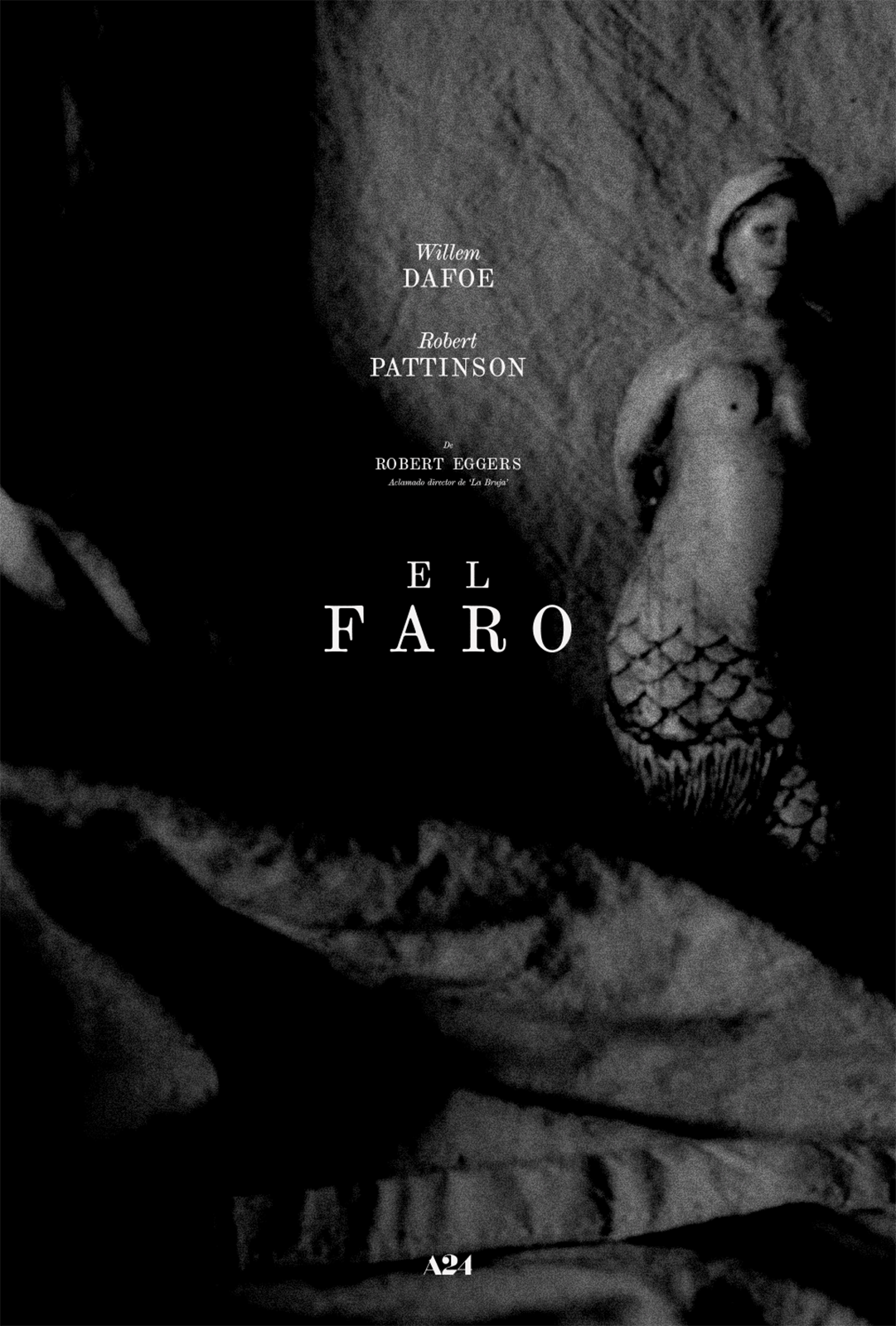
As an aside legend says that when Robert Eggers was working at his The Lighthouse (2019) once casually mentioned to Anya Taylor-Joy that there is a mermaid role in it. She was eager to work with him, and she asked if she could be the mermaid, but he fatherly declined telling her that’s not good for her to play that part. So he went with the East European chick. Maybe he knew something. Valeriia Karaman2 born in Moldova, raised in Ukraine, now in Berlin. She was born in Bender on the Dniester in what is known as Transnistria. I’m sure Dniester has his own Știma Apelor and we had come full circle, back to local rivers3.


In Coliere V1, this is ΧΕΥ͂ΜΑ (Stream). Five relaxed punches and a small timeout. E(5,11) [x . x . x . x . x . . ] . In the family of those basic sequences evenly spaced with one bigger break. Giving. Yet unforgiving.
Libations poured onto the earth were intended as offerings for the dead and the chthonic gods. In the Book of the Dead in the Odyssey, Odysseus digs an offering pit around which he pours in order honey, wine, and water. For the form of libation called choē (χεῦμα, cheuma, 'that which is poured'; from IE *gheu-),[13] a larger vessel is tipped over and emptied onto the ground for the chthonic gods, who may also receive spondaic libations.
— wiki on Nephalia
Pour some for the dead. Pour some for the ones gone with Știma Apelor. And for the buddy of that Egyptian dude that is next in line.
Shtee-Mah-Ah-Peh-Lore!…
1-2-3-4-5 [!]
That was quite a trip!
Not necessarily in that direction, it might as well travelled the other way round, but we’re just one big family here, aren’t we? Who keeps count?
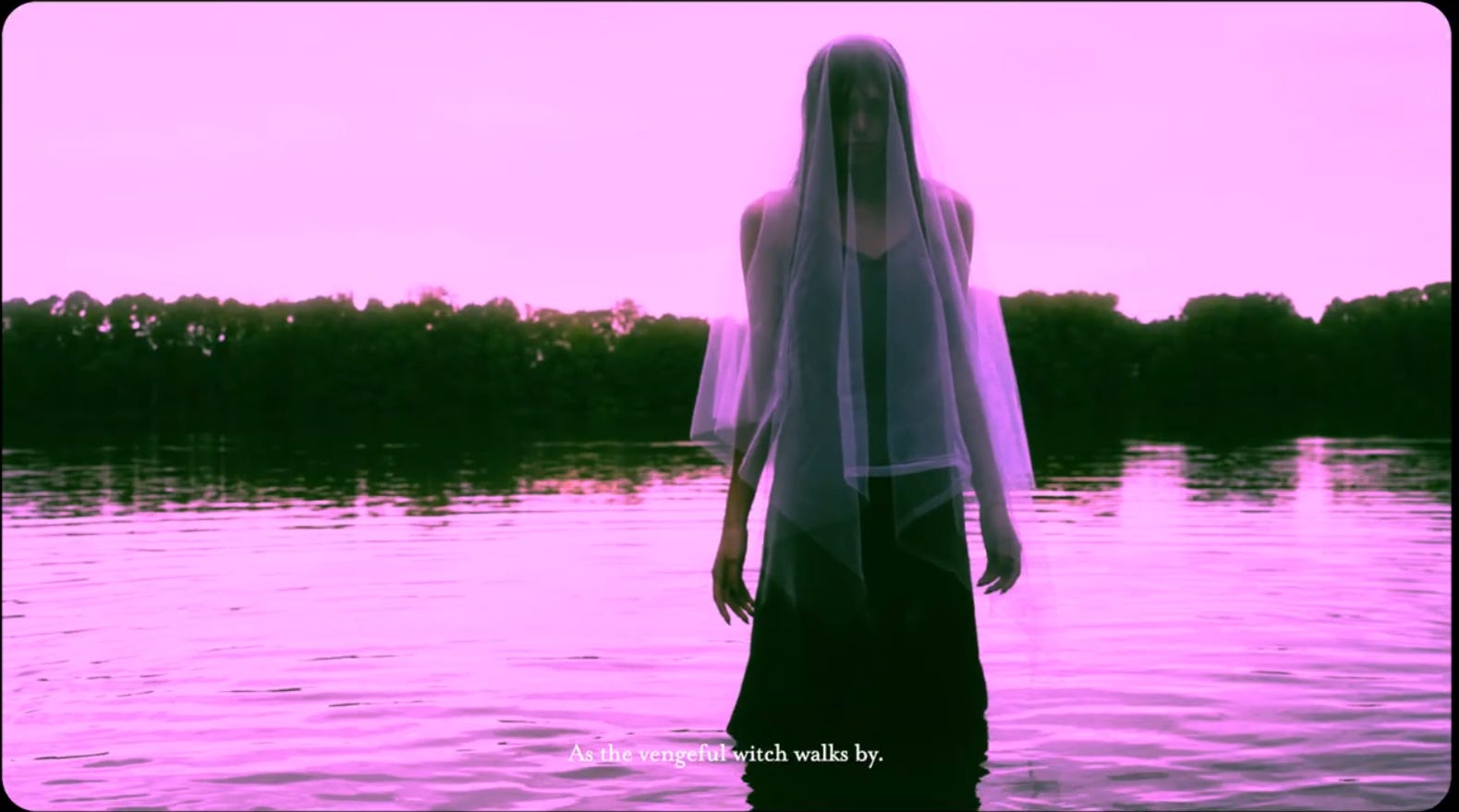
They probably have their Rusalkas over there, but they are usually basic ex drowning victims coming back for revenge.