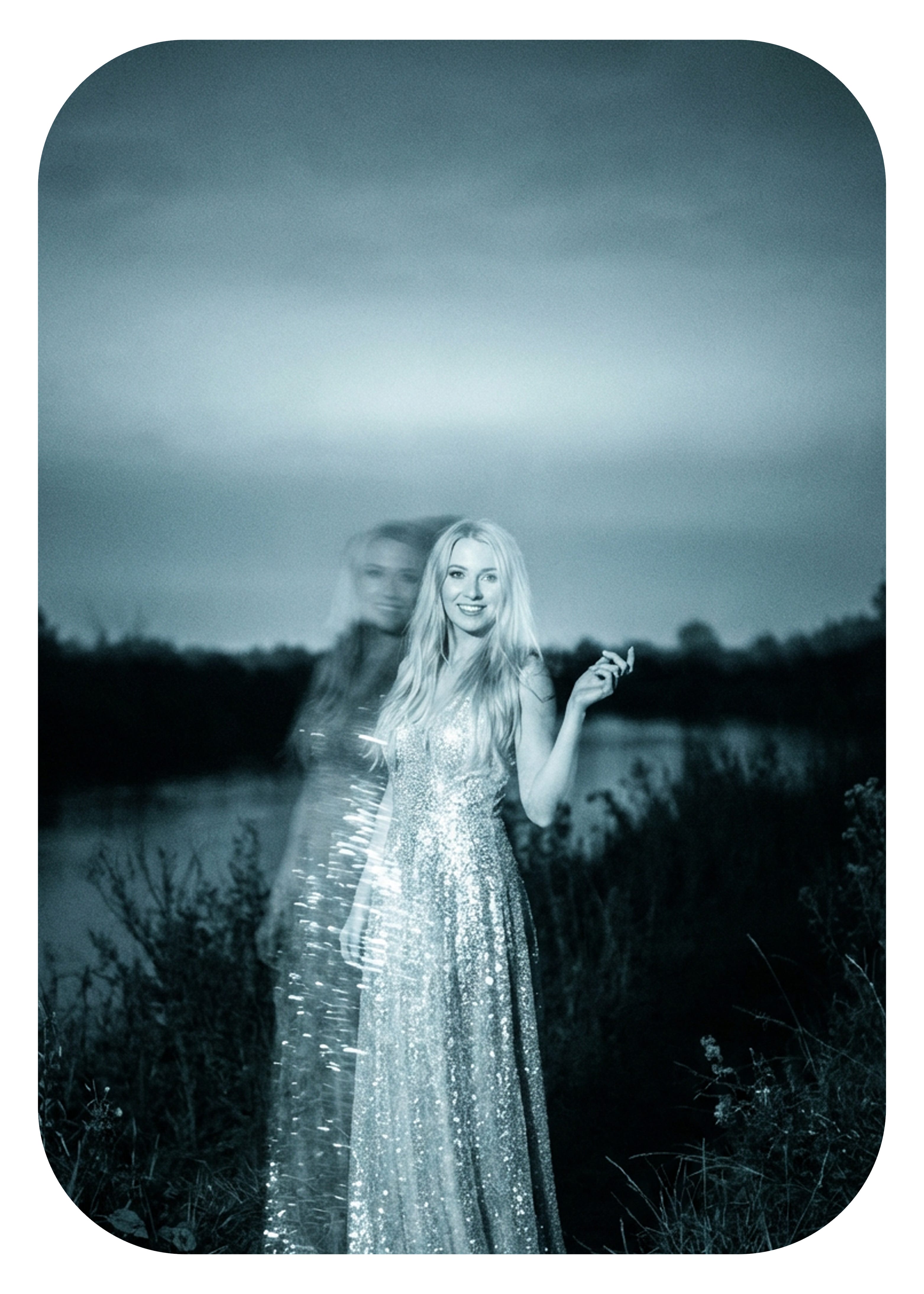
Lostrița
Lost in lust

This is part of a yearlong series on the second edition of Colière, the Euclidian Non-Isochronous Rhythms card deck. Each card is a pretext to gloss over one item of Romanian mythology, anthropomorphize it, all aimed at easier visualizing and audiating one particular rhythm.
Today it’s about “Lostrița”.
She is a fish. A modern classic one. Vasile Voiculescu wrote this short story published posthumously in 1970 about this fisher who fell in love with this elusive fish. Firmly anchored in folklore and local traditions, yet a new interpretation. Think how Nosferatu is loosely based on Dracula which is in turn loosely based on older tales and mythology.
We have Aliman obsessing over this fish, consuming him, finally getting to catch her and letting her go immediately. Later, just before his wedding day, hearing that Lostrița appeared again in the river, he runs to the river, dives in, catching her with his bare arms only to end up swallowed by the waves. This quote again:
“Hope that we die holding hands, always” — Speed of Pain by Marilyn Manson (1998)
Moby Dick after a month spent in Vaslui. But not quite. It is all happening around Bistrița river, never reaching Vaslui. Far from being as monumental and encyclopedic as Moby Dick, this is smol and more sensitive. Ahab is vengeful, Aliman is in love. Maybe lustful. Echoes Știma Apelor, that beautiful lady twisting the young men minds.
Știma Apelor

This is part of a yearlong series on the second edition of Colière, the Euclidian Non-Isochronous Rhythms card deck. Each card is a pretext to gloss over one item of Romanian mythology, anthropomorphize it, all aimed at easier visualizing and audiating one particular rhythm.
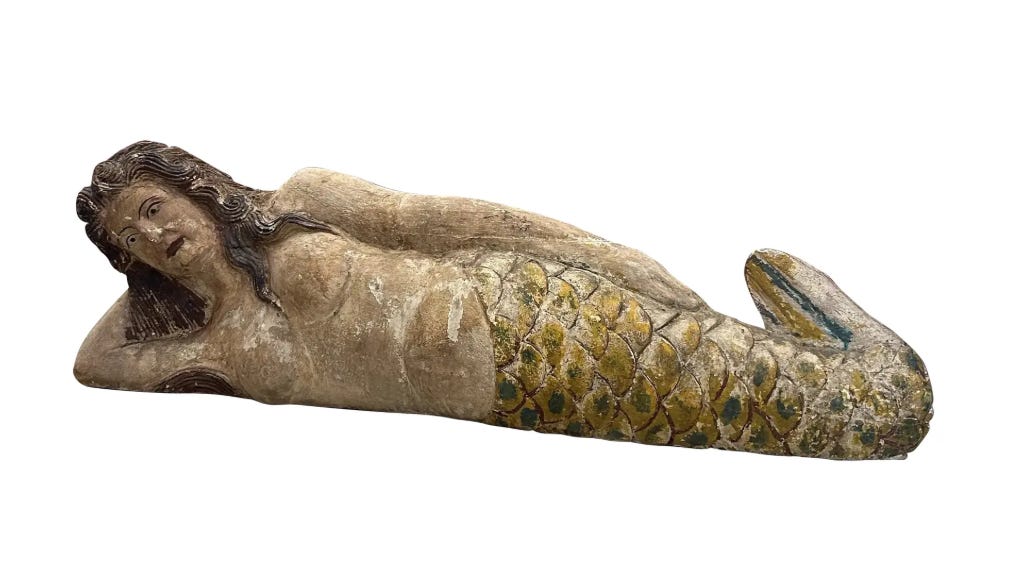
But Lostrița is still a fish. Not a mermaid, not some water girl. A predatory fish with the head of a catfish, the body of a pike-perch and the shiny speckled skin of a trout. A valued prize among fishers, she has brought many to their deaths, some identifying her with the Devil. But he loves her. Maybe the others loved her too. Ahab’s arc is tragic and existential, but Aliman’s is enchanted, rooted in folk magic. He is just too attracted to her.
It mirrors Nosferatu actually. This time a man is possessed, lusting over a otherworldly being. She acts like a lover-type agitating him to exhaustion in his obsession for her. When this empty shell of a man almost settles down with some mother-type he is reclaimed by his calling. He MVST go fishing! His TRVE nature is not domestic, it never was. He is one of these guys bouncing hard with the lover-type close by in small orbit. He could not succumb to the wide orbit of the slow family life alongside the mother-type. He lives fast, dies young. Lostrița is the one to show him who he is. She is Count Orlok coming and taking Helen.
But it can go the other way round, too. Helen is Orlok’s Lostrița if we switch it up once more. He is an appetite. He lets himself die outside his environment, into the sun, like Aliman dying submerged. They transcend. Both go beyond. Aided by a lover-type pushing and pulling them aggressively. That’s if you dare to see Orlok as the main character and to feel his drama.
Moving on to another Eggers movie, the watery one, the Lighthouse. Mid story, after he lets her go the first time, Aliman is quite emptied and depressed, visits a sorcerer who gives him a wooden replica of the fish. Robert Pattinson also has an encounter with some fishy girl and ends up trying to make do with a wooden replica. Coincidence? I think not!
In some commentary they say Lostrița is a type of nagodă. Never heard this word before, it also comes from some Slavic language, meaning “strange thing or being”. Or happening. Or something. So it is one of those strange things. As all the others in this deck here


It’s ΔΆΚΡΥΑ (Tears) in last year’s Coliere V1. E(7,9). Three tears then four tears. The real natural springs. The source of the water Lostrița swims in. And where you dive in when finally you get to hold her hand.
Let’s Dive In! / Let’s Dive Right In!
1-2-3-! 1-2-3-4-!